
What Is Elastomeric Coating for Stucco (And When to Use It)
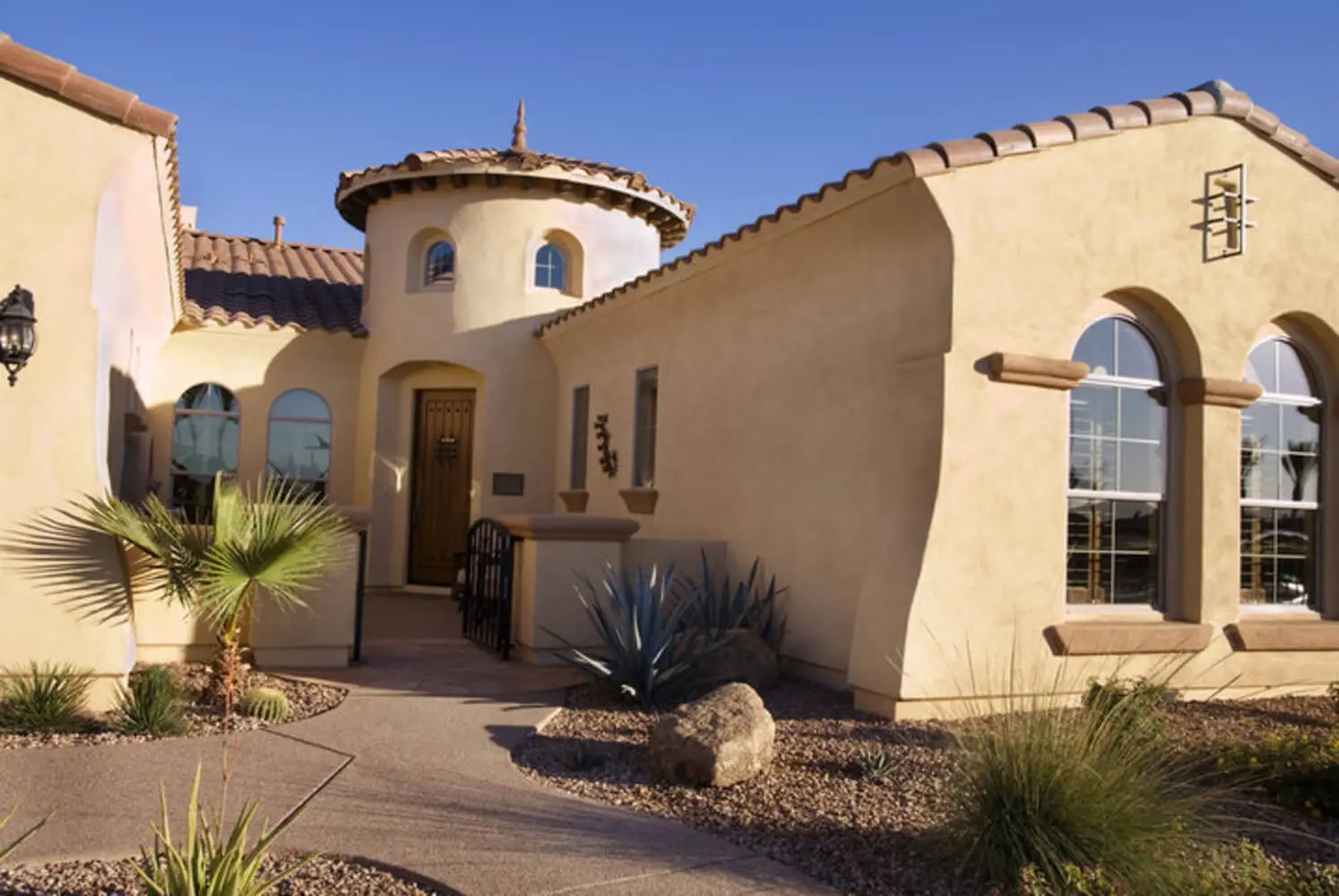
If you’re researching an upcoming stucco repaint, chances are you’ve come across the term “elastomeric coating” somewhere along the way. Maybe a contractor mentioned it, or you saw it while comparing paint options online. It’s normal to not know yet whether it actually applies to your home.
Here’s why it’s worth understanding before you make a decision. Choosing the wrong coating system for your stucco isn’t just a matter of cost. It affects how well your exterior holds up against Arizona’s heat, intense UV exposure, and monsoon swings for years to come.
Below, you’ll get a clear explanation of what elastomeric coating actually is, why Peoria’s climate makes this more than a marketing upsell, how it compares to standard exterior paint, and when it does or doesn’t make sense for your particular home.
What Elastomeric Coating for Stucco Actually Is
Elastomeric coating is a thick, flexible coating that expands and contracts with the surface underneath it. Standard paint, by contrast, stays rigid once it dries and cures.
That flexibility comes from a rubber-like composition applied several times thicker than regular exterior paint. This is what allows elastomeric to stretch as the substrate moves instead of cracking along with it.
This matters especially for stucco. Stucco is a porous, rigid material that naturally develops hairline cracks as it ages and shifts with the building underneath it. A coating that can’t move with those small shifts will eventually crack right along with the stucco itself.
It’s easy to assume “elastomeric” just means a fancier or thicker version of regular paint. It’s actually a different coating category altogether, built for a specific job: bridging small cracks and creating a genuine waterproofing barrier. Understanding that distinction is what makes the rest of this decision easier to work through.
Peoria’s Climate Puts Extra Stress on Stucco Surfaces
Peoria’s desert climate creates a specific combination of stress factors that push stucco toward cracking and water intrusion faster than milder climates do.
A few things are working against your stucco here:
- Summer highs regularly exceeding 110°F, combined with intense low-humidity UV exposure
- Significant daily expansion as stucco heats up, followed by contraction as temperatures drop overnight
- Monsoon season arriving after months of dry heat, dumping sudden, heavy rainfall on stucco that’s had no reason to prepare for it
That daily heat cycling is what drives hairline cracking over time, and it’s often mistaken for something else entirely. Homeowners sometimes assume cracking is a sign of poor construction or a bad paint job, when in Arizona’s climate it’s frequently just the natural result of extreme temperature swings wearing on the surface year after year.
This is exactly the kind of stress elastomeric coating is designed to handle, which is why Peoria homeowners bring it up so often when discussing their stucco. Left unprotected against this cycle for long enough, stucco often shows visible hairline cracking and chalking well before homeowners expect their exterior to need attention. That’s frequently what prompts the elastomeric question in the first place.
Elastomeric Coating Behaves Differently Than Regular Exterior Paint
Regular exterior paint is thinner, less flexible, and designed primarily for color and light surface protection. Elastomeric is built specifically for waterproofing and crack-bridging.
Here’s how the tradeoffs break down:
- Regular paint costs less upfront and typically offers stronger long-term color retention, especially in darker shades
- Elastomeric costs more but creates a genuine waterproofing membrane and can bridge small existing cracks that regular paint simply can’t
More expensive and thicker doesn’t automatically mean “better” for every home. It means better suited to specific problems, namely water intrusion and surface cracking. A homeowner whose stucco is already in good shape with no cracking may actually get more long-term value from a quality standard exterior paint than from paying the premium for elastomeric.
When Elastomeric Coating Makes Sense for Your Home
There are two situations where elastomeric coating tends to make the most sense for Peoria homeowners.
New or Never-Coated Stucco
Bare or newly applied stucco benefits from elastomeric’s waterproofing properties right from the start. It seals the porous surface before Arizona’s heat and monsoon rain get a chance to cause damage.
Raw stucco is especially vulnerable to water absorption, so starting with a coating built for waterproofing protects the surface proactively instead of waiting to react once problems show up. Homes that begin with elastomeric on new stucco often avoid the early cracking and water damage that shows up on unprotected stucco within just a few years in this climate.
Stucco With Hairline Cracks or Past Water Concerns
Stucco that’s already developed small hairline cracks, or a home that’s had water intrusion concerns in the past, is a strong candidate for elastomeric’s crack-bridging and waterproofing benefits. Its flexibility allows it to seal over these small cracks rather than simply sitting on top of a compromised surface the way standard paint would.
One important distinction: elastomeric isn’t a fix for major structural cracks or active water damage. Those issues need to be repaired first. Elastomeric works on hairline cracking, not as a substitute for stucco repair. Applied correctly over properly prepped cracks, though, it can meaningfully extend the life of stucco that’s starting to show its age.
When Elastomeric Coating Isn’t the Right Choice
Elastomeric isn’t the right fit for every situation, including surfaces it wasn’t designed for. It doesn’t bond or perform on wood trim, fascia, or metal features the way it does on stucco or masonry.
Stucco Already in Good Condition
Stucco that’s already coated, structurally sound, and free of significant cracking often doesn’t need the added cost and thickness of elastomeric. If the existing coating is already providing adequate protection, a quality standard or premium exterior paint can maintain that protection at a lower cost.
Homeowners sometimes assume newer or well-maintained stucco automatically needs the “upgraded” coating, when the existing protection may already be doing its job well. This is exactly where a professional assessment matters most, since it isn’t always obvious from the surface whether your stucco needs a full waterproofing upgrade or just a quality repaint.
Homes Set on a Very Dark Exterior Color
If you’re set on a very dark exterior color, it’s worth knowing that dark elastomeric pigments can fade noticeably faster under Peoria’s intense UV exposure. The same sun exposure that stresses stucco physically also breaks down darker pigment formulations faster than lighter colors, especially on south- and west-facing walls that take the most direct sun.
This isn’t unique to elastomeric, but it’s worth factoring in before committing to a coating system if a dark color is your priority. If you’re set on going dark, it’s worth weighing color retention against waterproofing benefits directly with a professional before deciding.
What Else to Weigh Before You Commit
Beyond whether elastomeric fits your stucco’s condition, two other factors matter just as much: cost and application quality.
Elastomeric typically costs more than standard exterior paint because of its thickness and the additional labor involved in proper application. That added cost only pays off when the waterproofing and crack-bridging benefits are actually needed for your home.
Application quality matters just as much as the product itself. Elastomeric requires careful surface prep and an experienced hand. Improperly applied elastomeric can fail early, which is part of why how long a house painting project takes can shift depending on which coating system you choose. Elastomeric’s thicker application and required curing time generally add more to the schedule than a standard repaint would.
Getting both of these right, fit and application, determines whether elastomeric delivers the protection it’s known for or ends up underperforming as an expensive coating.
The Right Coating Depends on Your Stucco, Not a Blanket Rule
Elastomeric coating is a strong option for stucco facing cracking, water intrusion risk, or new-surface protection needs. It isn’t automatically the right upgrade for every home, though.
The right choice depends on your stucco’s current condition, your color preferences, and what your home has been through over the years. It’s not a one-size-fits-all recommendation, and that’s exactly why a professional walkthrough is worth doing before you commit to either direction. If you’d like a fuller picture of what that process looks like from start to finish, our overview of professional house painting services in Arizona walks through what to expect.
Our team offers specialty painting and coating services built around exactly these kinds of decisions, matching the right system to your stucco’s specific condition and exposure.
If you’re ready to find out which option makes the most sense for your home, request a free assessment and quote from us. There’s no pressure to commit to any particular system upfront, just an expert opinion on what your stucco actually needs. Reach out to Butcher’s Custom Painting today and let’s talk through your project.